Kentucky Derby Analysis: Breaking Down America’s Most Famous Horse Race

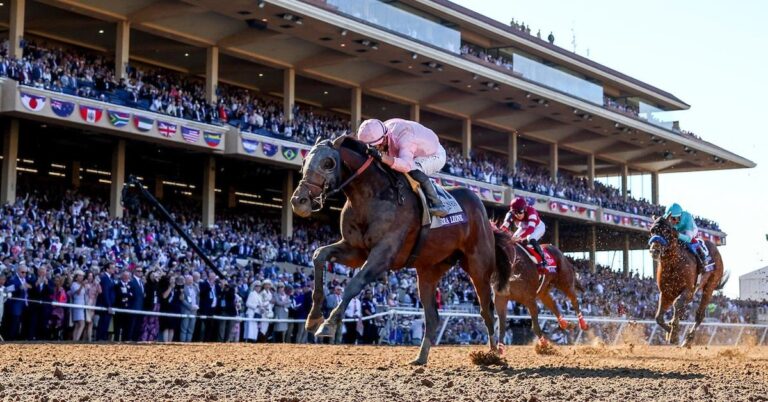
The Kentucky Derby is more than just a horse race—it’s a cultural phenomenon. Held annually at Churchill Downs in Louisville, Kentucky, the Derby attracts the best three-year-old thoroughbreds in North America and serves as the first leg of the prestigious Triple Crown.

Known as “The Run for the Roses,” the Kentucky Derby combines history, tradition, elite competition, and massive betting interest. For racing fans and bettors alike, understanding how to analyze the Derby can significantly improve the chances of identifying potential winners and value selections.

Why the Kentucky Derby Is Unique

Unlike most races, the Kentucky Derby features a large field of talented three-year-old horses competing over 1¼ miles (10 furlongs). Many entrants have never raced against such a large group before, making experience, positioning, and race tactics extremely important.

The Derby presents challenges that include:

  • Large and competitive fields
  • Intense early pace
  • Crowd noise and pressure
  • Longer race distance
  • Limited experience among young horses

Because of these factors, the Kentucky Derby often produces dramatic finishes and occasional surprise winners.

Evaluating Recent Form

One of the most important aspects of Derby analysis is studying recent performances.

Leading contenders usually arrive after strong runs in major prep races such as:

  • Florida Derby
  • Santa Anita Derby
  • Blue Grass Stakes
  • Arkansas Derby
  • Louisiana Derby

When reviewing form, focus on:

  • Finishing position
  • Quality of competition
  • Speed figures
  • Finishing strength
  • Ability to overcome adversity

Horses showing steady improvement during prep season often make the strongest Derby candidates.

Importance of Speed Figures

Speed figures help compare performances across different tracks and conditions.

Many professional handicappers rely on speed ratings to identify horses capable of handling the Derby’s demanding pace.

Key indicators include:

  • Consistent high speed ratings
  • Improving figures over recent starts
  • Ability to maintain speed over longer distances

However, speed figures should never be the sole factor in your analysis.

The Impact of Post Position

The Kentucky Derby’s large field makes post position especially important.

Inside draws can create traffic problems, while extreme outside positions may force horses to cover additional ground.

A favorable gate allows jockeys to secure an efficient position early in the race and avoid unnecessary trouble.

Although great horses can overcome poor draws, post position remains an important factor when comparing closely matched runners.

Pedigree Matters

Because the Kentucky Derby is run over 10 furlongs, stamina is crucial.

Some horses dominate shorter races but struggle when stretched to longer distances.

Examining a horse’s pedigree can provide valuable clues about its ability to handle the Derby trip.

Look for bloodlines associated with:

  • Classic distance success
  • Triple Crown races
  • Strong late finishing ability
  • Proven stamina

Well-bred horses often improve as race distances increase.

Trainer and Jockey Analysis

Elite trainers understand how to prepare horses for the biggest stage.

Successful Derby trainers typically design months-long campaigns aimed specifically at peak performance on Derby Day.

Similarly, experienced jockeys can make critical decisions involving:

  • Early positioning
  • Pace judgment
  • Traffic navigation
  • Timing of the final move

The combination of an accomplished trainer and top jockey can significantly increase a horse’s chances.

Pace Scenario Analysis

Many Kentucky Derby races are won or lost during the opening stages.

Understanding the projected pace helps identify horses likely to benefit from the race setup.

Front Runners

These horses prefer to lead from the start and control the pace.

Stalkers

Stalkers sit just behind the leaders and often receive ideal trips.

Closers

Closers conserve energy early before launching a strong late charge.

When multiple speed horses enter the Derby, a fast early pace often favors late-running closers.

Track Conditions

Weather can dramatically affect Derby outcomes.

Some horses perform best on fast dirt tracks, while others improve on wet or muddy surfaces.

Before making final selections, bettors should monitor:

  • Weather forecasts
  • Track maintenance reports
  • Previous wet-track performances

A sudden weather change can completely alter the race picture.

Betting Strategies for the Kentucky Derby

Win Bets

Ideal when you strongly believe a horse can win outright.

Each-Way Style Betting

For horses offering attractive odds with realistic chances of finishing near the front.

Exacta and Trifecta Bets

These wagers require predicting the first two or three finishers and can produce substantial payouts.

Value Betting

Rather than simply backing favorites, many successful bettors focus on identifying horses whose odds are higher than their true winning chances.

Long-term profitability often comes from finding value rather than picking the most winners.

Common Mistakes to Avoid

Many bettors make the same errors every Derby season:

  • Betting based on popularity
  • Ignoring pace analysis
  • Overvaluing one prep race
  • Chasing losses
  • Betting too many combinations

Maintaining discipline is often more important than finding a single winner.

Final Thoughts

The Kentucky Derby remains one of the most exciting and challenging races to analyze. With elite young thoroughbreds, large fields, and intense competition, the race demands a comprehensive approach to handicapping.

By studying form, speed figures, pedigree, pace scenarios, trainer patterns, and track conditions, bettors can make more informed decisions and improve their chances of success.

While no analysis can guarantee a winning ticket, understanding the factors that influence Derby outcomes provides a valuable edge during America’s most celebrated horse race.

When the gates open at Churchill Downs, preparation and discipline can be just as important as luck.

Cheltenham Festival Betting Strategy: How to Improve Your Chances During Racing’s Biggest Week

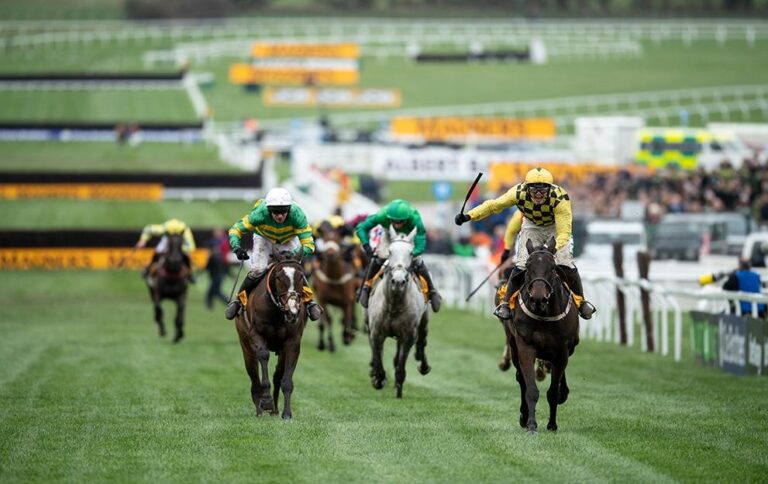
For horse racing fans, few events generate as much excitement as the Cheltenham Festival. Every March, the world’s best jump horses, trainers, and jockeys gather at Cheltenham Racecourse for four days of elite competition, creating one of the most anticipated betting events of the year.

With dozens of races, huge fields, and constantly changing odds, the festival can be challenging for even experienced punters. Having a solid betting strategy can help you make smarter decisions and enjoy the action without risking unnecessary losses.

Why Cheltenham Is Different

Unlike many racing meetings, Cheltenham attracts the very best National Hunt horses from Britain and Ireland. The level of competition is incredibly high, and many races feature multiple genuine contenders.

This means blindly backing favorites is rarely a winning long-term strategy. Successful bettors focus on value, form analysis, and disciplined bankroll management.

Study Previous Festival Form

One of the most reliable indicators of future success at Cheltenham is previous performance at the course.

The unique undulating track, famous hill finish, and intense atmosphere suit some horses better than others. Horses that have previously performed well at Cheltenham often deserve extra consideration.

When reviewing runners, ask yourself:

  • Has the horse won at Cheltenham before?
  • Has it handled the uphill finish?
  • Has it performed well in large competitive fields?

Course experience can be a major advantage during the Festival.

Focus on Trainer Form

Top trainers often target Cheltenham months in advance.

Leading stables such as those from Britain and Ireland frequently prepare specific horses with the Festival as their primary objective. Monitoring trainer performance during the weeks leading up to the meeting can reveal valuable betting opportunities.

A stable in excellent form often sees multiple runners exceed expectations throughout the week.

Analyze Jockey Performance

Elite jockeys regularly make the difference between winning and losing in competitive races.

Experienced Cheltenham riders understand:

  • Race positioning
  • Pace management
  • Jumping under pressure
  • Timing their final challenge

When two horses appear evenly matched, the jockey booking can become a crucial deciding factor.

Avoid Chasing Favorites

Cheltenham favorites receive enormous support from casual bettors.

While many market leaders justify their reputation, short odds do not always represent value. Professional bettors often look for horses whose chances are underestimated by the market.

A horse priced at 10/1 with a realistic winning chance may provide far better value than a heavily backed favorite at 2/1.

Manage Your Bankroll Carefully

The Festival lasts four days, and opportunities appear throughout the meeting.

Many bettors make the mistake of spending too much money on the opening day, leaving little available for later races.

A sensible approach is to:

  • Set a fixed betting budget
  • Divide funds across all four days
  • Avoid increasing stakes after losses
  • Preserve capital for high-confidence selections

Discipline is often more important than picking winners.

Consider Each-Way Betting

Cheltenham races frequently attract large fields, making each-way betting particularly attractive.

An each-way bet allows you to profit if your selection finishes in one of the designated place positions, even if it doesn’t win.

This strategy can be especially effective in handicaps where several runners have similar chances.

Watch the Weather and Ground Conditions

Ground conditions play a major role in National Hunt racing.

Some horses perform best on soft ground, while others require quicker conditions to produce their best effort.

Before placing any bet, review:

  • Recent weather forecasts
  • Official going reports
  • Previous performances under similar conditions

Ignoring ground conditions is one of the most common betting mistakes.

Look for Value in Handicap Races

Cheltenham handicaps are among the most competitive races of the Festival.

While they are difficult to solve, they often provide the best value opportunities because bookmakers can struggle to accurately assess every runner.

Successful handicap betting requires:

  • Detailed form study
  • Weight analysis
  • Course suitability assessment
  • Trainer intent evaluation

These races frequently produce rewarding prices for well-researched selections.

Keep Records of Your Bets

One of the most overlooked strategies is maintaining a betting record.

Tracking your selections helps identify:

  • Which race types suit your approach
  • Profitable betting patterns
  • Common mistakes
  • Areas for improvement

Over time, accurate records can significantly improve your betting performance.

Final Thoughts

The Cheltenham Festival offers some of the most exciting betting opportunities in horse racing. However, long-term success requires more than simply following favorites or popular tips.

By studying course form, monitoring trainers and jockeys, managing your bankroll, and focusing on value rather than hype, you can approach the Festival with a structured and disciplined strategy.

Remember that no betting system guarantees profit. The goal is to make informed decisions, enjoy the spectacle, and maximize your chances of success throughout one of the greatest weeks in horse racing.

Melbourne Cup 2026 Preview: The Race That Stops a Nation

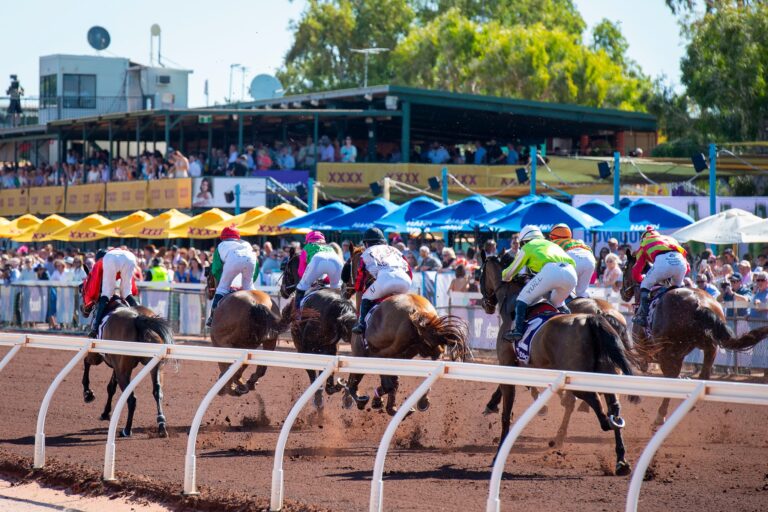
Every year, millions of racing fans around the world turn their attention to Australia for one of the most prestigious horse races on the planet—the Melbourne Cup. Known as “The Race That Stops a Nation,” this iconic event delivers drama, excitement, and unforgettable moments that have become part of horse racing history.

A Rich History of Excellence

First run in 1861, the Melbourne Cup has grown from a local handicap race into an international sporting spectacle. Held over 3,200 meters at Flemington Racecourse in Melbourne, the race attracts elite thoroughbreds, world-class jockeys, and top trainers from across Australia, Europe, Asia, and beyond.

Winning the Melbourne Cup is the ultimate achievement for many owners and trainers. The race’s rich history is filled with legendary champions, surprise upsets, and emotional victories that continue to captivate racing enthusiasts.

What Makes the Melbourne Cup Special?

Unlike many major races, the Melbourne Cup is a handicap race. Horses carry different weights based on their ability, creating a more competitive field and increasing the chances of an upset.

The race is also famous for:

  • International participation
  • Massive betting turnover
  • High-profile fashion events
  • Unpredictable race outcomes
  • A festive atmosphere enjoyed by fans nationwide

Whether you’re a seasoned punter or a casual racing fan, the Melbourne Cup offers something for everyone.

Key Factors to Watch Before Race Day

Recent Form

Horses entering the Melbourne Cup with strong performances in lead-up races often attract significant betting support. Consistency and fitness are crucial over the demanding 3,200-meter distance.

Barrier Draw

While not always decisive, a favorable barrier can help horses secure better racing positions and avoid unnecessary traffic during the race.

Track Conditions

Weather can dramatically influence race outcomes. Some horses excel on firm tracks, while others perform best when conditions become soft or heavy.

Weight Allocation

Because the Melbourne Cup is a handicap race, weight assignments can significantly impact performance. Horses carrying lighter weights often attract attention from experienced bettors.

Potential Dark Horses

Every Melbourne Cup produces a few outsiders capable of shocking the racing world. History has shown that longshots can thrive under handicap conditions and upset heavily backed favorites.

Smart punters often search for:

  • Emerging stayers
  • Lightly raced horses
  • International challengers
  • Strong finishers suited to long-distance racing

Betting Strategy for the Melbourne Cup

For newcomers, the Melbourne Cup can be overwhelming due to the large field size. Consider these simple approaches:

Each-Way Betting

An each-way bet provides a chance to collect if your horse finishes in the top placings, even if it doesn’t win.

Form Analysis

Review recent performances, track preferences, and distance records before making selections.

Avoid Chasing Favorites

While favorites often perform well, Melbourne Cup history includes numerous surprise winners at generous odds.

Final Thoughts

The Melbourne Cup remains one of the most exciting events in world horse racing. Its combination of elite competition, international participation, and unpredictable outcomes ensures fans return year after year.

As race day approaches, keep an eye on form guides, track conditions, and market movements. Whether you’re backing a proven champion or an underrated outsider, the Melbourne Cup promises another thrilling chapter in horse racing history.

One thing is certain—when the gates open at Flemington, anything can happen.